Cheap Healthy Snacks for Lyft Drivers on Nights
Night driving can turn a simple hunger problem into a safety problem. When you’re waiting for a ride request at 1 a.m., it’s tempting to grab candy, chips, or another energy drink and keep chasing the next fare. But food can’t make a tired driver alert enough to drive safely—and fatigue is the biggest risk in this routine.
Want to know something interesting? a practical plan is less exciting and more useful: protect your sleep, pack real food, keep a small cooler in car for perishable items, and follow a hydration plan that won’t have you making frantic restroom stops. These low-cost habits can help you feel steadier during a shift, but they are not substitutes for sleep or a reason to keep driving when you’re drowsy.
Start With the Risk: Fatigue Beats Hunger
Fatigue can slow reactions, blur attention, and make it harder to judge gaps in traffic. Those are real driving tasks, not abstract wellness concerns. A snack may ease hunger; it does not reverse sleep loss. Nor does a loud radio, an open window, or cold air reliably fix drowsiness. The “radio and window” fatigue trick is a myth if it’s being used to convince yourself to drive on.
If you’re nodding off, drifting in your lane, missing turns, or struggling to remember the last few miles, stop driving. Get to a safe, legal place to park and rest. If you can’t safely continue, end the shift. Don’t try to manage dangerous fatigue with food, caffeine, or a quick stretch.
Build Your Night Around Sleep, Not Surge
Surge pricing can make it feel costly to log off, especially when the map lights up just as you planned to go home. But a higher fare is not a safety guarantee. A dependable sleep schedule beats chasing surge every time: decide when your shift ends before you start, and treat that cutoff as part of the job.
Set up a sleep window that gives you enough time to get the sleep you need, including the drive home and your wind-down routine. Keep the schedule as consistent as your life allows. If your night shift changes from day to day, plan the transition rather than flipping your sleep and driving hours at the last minute.
Use the in-app driver mode time cap as a backstop
Lyft’s in-app driver mode time cap can help you keep track of platform limits, but it is not a safety guarantee. Platform rules are limits on app use—not a personal assessment of how alert you are, how much sleep you got, or whether you’re safe to drive right now. You may need to stop well before the app’s limit.
- Choose a firm end time before the shift and set a phone reminder.
- Check the current in-app driver mode time cap and any applicable platform guidance before you drive; rules can change.
- Don’t treat a reset or a new time window as proof that you’re rested.
- Log off early if you feel drowsy, even when demand is high.
Pack Real Food for Less Than a Takeout Stop
Cheap night-shift food does not need to be fancy or specially marketed for drivers. A few filling basics—protein, fiber-rich carbohydrates, and produce—can travel well and cost less than repeated convenience-store runs. The goal is to avoid relying on a sugar rush or a huge, heavy meal while you’re working.
Snack or small meal Why it works on shift Low-cost packing tip Banana with peanut butter Portable, filling, and easy to eat during a proper parked break Bring a banana and a small sealed portion of peanut butter Overnight oats Oats provide fiber; add milk or yogurt for more staying power Prepare at home in a lidded container and keep cold Hummus with carrots or pita A simple mix of vegetables and a more substantial dip Buy larger tubs and portion into a sealed container Hard-boiled eggs with whole-grain crackers A compact option with protein and a crunchy side Cook a batch ahead; keep eggs chilled Beans, rice, and salsa A budget-friendly small meal that can be made from pantry staples Pack in a leakproof container and eat during a break Apple with a small handful of nuts Easy to portion and less messy than many drive-through foods Buy nuts in a larger bag and portion them at homeMake the cooler work for you
A cooler in car is useful for food safety and convenience, but it should be secured so it can’t slide or become a projectile during a sudden stop. Use ice packs, keep the lid closed, and follow food-safety guidance for how long perishable food can be kept cold. If you cannot keep an item properly chilled, choose a shelf-stable option instead. Don’t leave dairy, eggs, cooked rice, meat, or other perishables sitting in a warm vehicle between shifts.
Pack food in small portions so you can take out only what you plan to eat. Let me tell you about a situation I encountered learned this lesson the hard way.. Keep it away from the pedals, airbags, and driver controls. Most importantly, don’t eat while the car is moving. A snack that takes your eyes and hands off driving is not a safe driving snack. Pull over somewhere legal and secure, park, and take a real break.
Keep Hydration Simple and Planned
A hydration plan is about steady access to water, not forcing a large amount down right before a long ride. Bring a refillable bottle, drink during breaks, and plan restroom stops around your shift. If you’re limiting fluids so you won’t need to stop, or drinking so much that you’re distracted by urgent restroom needs, adjust the plan.
- Fill your water bottle before leaving home.
- Keep it secured and within easy reach without obstructing controls or your view.
- Take sips during parked breaks instead of handling the bottle while driving.
- Use a restroom before the shift and identify safe places to stop during it.
- Be cautious about relying on energy drinks or large amounts of caffeine to push through fatigue.
Caffeine can temporarily increase alertness for some people, but it cannot replace sleep or make an unsafe driver safe. Pay attention to how it affects you and avoid using it to stretch a shift past your planned end time.

Reduce Wear-and-Tear With Better Ergonomics
Hours in the seat can leave your back, hips, shoulders, and legs sore. Discomfort can also become a distraction behind the wheel. Set up the car before the first pickup rather than trying to fix your posture while rolling through traffic.
- Adjust the seat so you can reach the pedals without stretching and keep a comfortable bend in your knees.
- Position the backrest to support your back while allowing you to steer comfortably.
- Set mirrors and navigation before moving; avoid twisting repeatedly to check a poorly placed screen.
- Keep frequently used items secured and out of the passenger’s way.
Stretch only when parked
Stretching during breaks can reduce stiffness from sitting, but it is not a substitute for rest and it should never be done while driving. Park in a safe, legal place, secure the vehicle, and keep any movement gentle and comfortable. A short walk or a few easy shoulder rolls may help you reset. Stop if a movement causes pain, dizziness, or numbness, and consult a healthcare professional about persistent or severe symptoms.
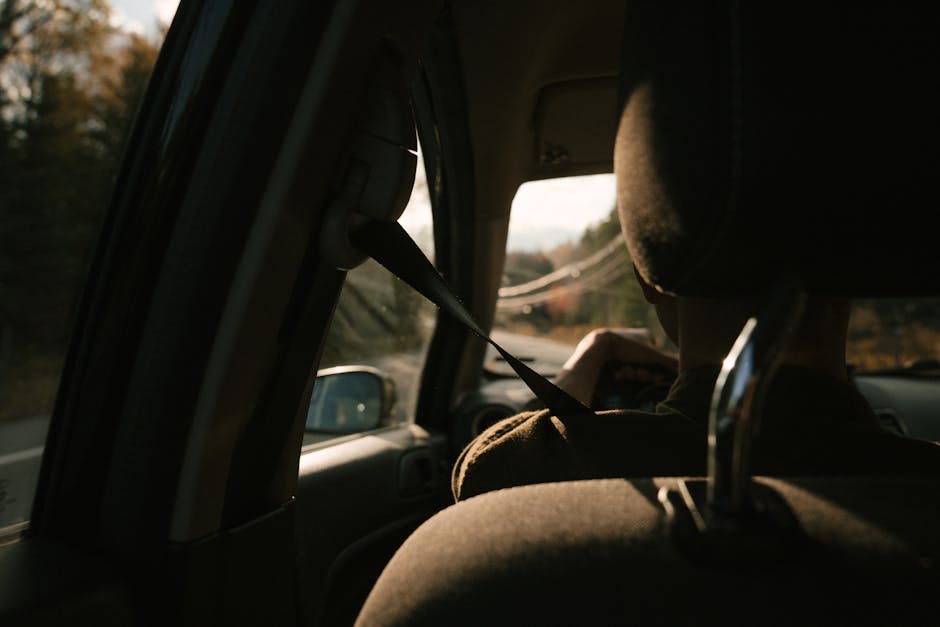
Think of movement as a maintenance break, not a way to “wake yourself up” enough to continue when you are dangerously tired. If fatigue is the issue, the answer is to stop driving and sleep—not to stretch harder.
Use Tools Before the Shift, Not Behind the Wheel
Some health providers offer a QR code for lab results or patient-portal access. If you use one, scan it at cbd for lyft drivers home or while parked, and review health information when you have time to focus. Never scan a code, read lab results, or troubleshoot a portal while the vehicle is moving. A QR code is simply a way to access information; it does not diagnose a problem or replace medical advice.
If a health concern, medication, or ongoing fatigue may affect your ability to drive, discuss it with a qualified clinician before taking a shift. Keep personal health tasks separate from active driving time. The safest routine is one where the app is off, the car is parked, and you can give that information your full attention.
A Simple Pre-Shift and Mid-Shift Routine
- Protect sleep first. Choose a shift end time that leaves room for your planned sleep window.
- Pack real food. Bring one small meal and one or two snacks that suit your budget and appetite.
- Set up the cooler in car. Secure it, add ice packs for perishables, and keep food away from driving controls.
- Plan water and restroom breaks. Refill before leaving and know where you can stop safely.
- Adjust your seat and mirrors. Do this while parked, before the first ride.
- Check your limits. Review the in-app driver mode time cap, then set a personal cutoff earlier if your condition calls for it.
- Take breaks off the road. Eat, hydrate, walk, or stretch only after parking safely.
- End the shift when alertness drops. Don’t bargain with drowsiness because of surge, a snack, or remaining app time.
The Bottom Line for Night Drivers
Affordable snacks can make a night shift more manageable, especially when they’re packed at home instead of bought one stop at a time. A banana, oats, eggs, beans, or hummus can be practical choices; a secured cooler and a straightforward hydration plan help keep them usable on the road.
But food is the supporting actor, not the safety plan. Sleep scheduling beats chasing surge, and an in-app driver mode time cap is not a personal guarantee that you’re fit to continue. Make breaks part of the route, stretch only when parked, and don’t use the radio, an open window, caffeine, or a snack to argue with fatigue. If you’re too tired to drive safely, log off and rest.